




Did you know that some of today’s biggest global hits were recorded in standard bedrooms? Superstars like Burna Boy, Rema, and Billie Eilish have all created chart-topping magic outside of traditional recording facilities. They prove that you do not need a massive commercial space to make great music.
The music industry has changed forever. Ten years ago, major record labels controlled access to the best studios. Today, the power is entirely in the hands of the independent creator.
However, building a space that sounds ready for the radio is not exactly cheap. The gear is much easier to buy today, but a truly professional setup will still cost you thousands of dollars. You have to spend money to sound like a professional.
So, how do everyday independent artists actually pull this off? In this guide, we break down the exact gear you need to get started. We will also look at the software that brings it all together, and exactly how independent musicians find the money to pay for it.
The Hardware & Software Essentials
Before you can record a hit, you need the right physical tools. A home studio requires a few key pieces of hardware to function. You cannot just use a phone and a cheap pair of headphones.
First, you need a highly capable computer. This is the brain of your entire studio. Making music requires a lot of processing power and memory. If your computer stutters every time you add a heavy drum beat, you need an upgrade.
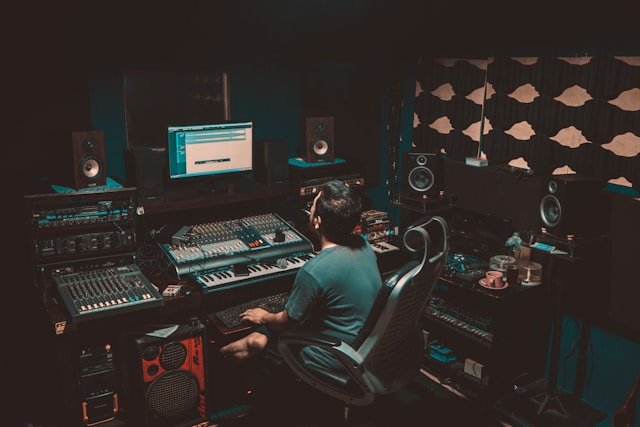
Next is your audio interface. Think of this little metal box as the bridge between the real world and your computer. You plug your microphone directly into the interface. It then turns your physical voice into digital code that your computer understands.
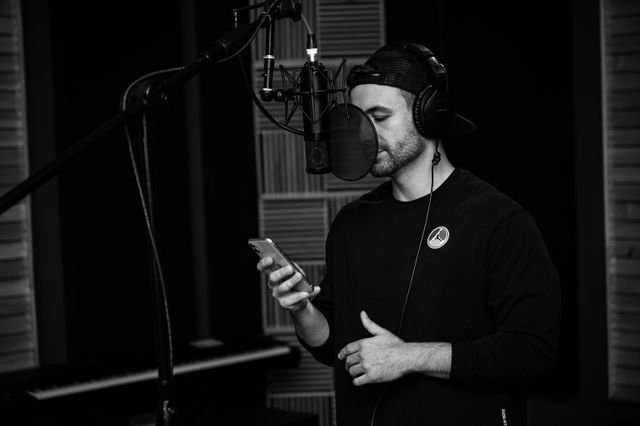
Finally, you need a high-quality studio microphone. A good studio mic captures the rich, full tone of your voice or instrument. You also need to invest in basic acoustic treatment, like foam panels on your walls, so the microphone does not pick up bad room echoes.
Getting the Right Software
Your expensive hardware is completely useless without the right software. Free recording apps are fun for absolute beginners, but they have major limits. They do not give you the control you need to make a hit record.
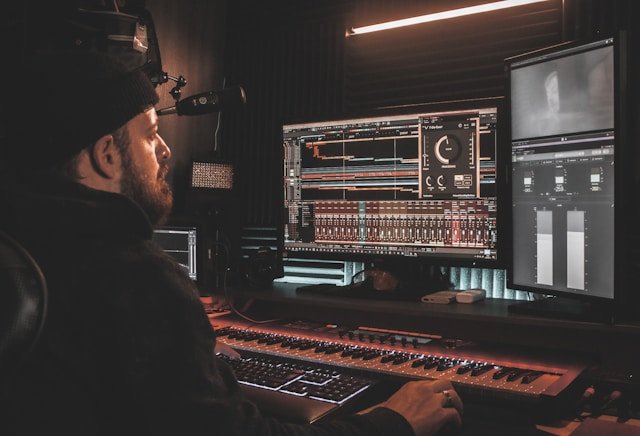
To compete with the pros, you must invest in professional digital audio workstation software. This is the main computer program where you record, edit, and mix your tracks. Popular choices like Pro Tools, Logic Pro, or Ableton give you the exact same tools that top hitmakers use every day.
These programs allow you to chop up vocal takes, fix bad notes, and add cool effects to your sound. They do take time to learn, but they are the industry standard. If you want to play in the big leagues, you have to use professional tools.
Protecting Your Hit Songs
Recording a full song creates massive computer files. If your hard drive crashes or you spill water on your laptop, you could lose a hit song forever. This nightmare happens to young producers more often than you think.
To stop this from happening, smart artists use enterprise cloud storage solutions. This means your music files automatically back up to a secure, remote server over the internet. You do not have to remember to plug in an external drive.
Using professional cloud storage gives you total peace of mind. Even if your studio catches fire, your music remains perfectly safe. You can just log in from a new computer and pick up right where you left off.
How Indie Artists Finance Their Gear
Let’s address the elephant in the room right now. Top-tier studio gear is very expensive. A single professional microphone can easily cost three thousand dollars.
Studio Setup Budget Planner
Customize your gear tiers below to calculate your estimated investment in real-time.
Most independent artists do not have that kind of cash sitting around in their personal savings accounts. Instead of going broke, smart musicians treat their music career exactly like a tech startup. They find creative business ways to fund their studio upgrades.
Treating Music Like a Startup
When a regular company needs new computers or machinery, they do not pay out of their own pockets. They borrow the money and let the new gear pay for itself over time. Independent musicians can do the exact same thing.
First, you need to form an official business, like an LLC. Then, you open a dedicated business bank account. This separates your personal rent money from your music money.
If you have a solid credit score and a clear business plan, banks will take you seriously. This opens up doors for small business equipment financing. This specific type of funding is designed to help you buy physical tools for your trade.
With equipment financing, the studio gear itself acts as the safety net for the loan. If you cannot pay the bank back, they simply take the gear away. Because there is less risk for the bank, it is much easier for an artist to get approved.
Exploring Studio Loans
Sometimes, you need more than just one or two items. If you are building a full recording room from scratch in your garage, you might need a much larger amount of cash. You have to pay for soundproofing, mixing desks, and expensive speakers all at once.
This is where commercial studio equipment loans come into play. These loans let you borrow a larger sum of money to build out a complete facility. You pay the loan back in fixed monthly payments over a few years.
The goal is to use the new gear to make better music and attract paying clients. The money you make from recording those clients is then used to pay off the monthly loan. If you do the math right, the studio pays for itself.
Using Business Credit
For smaller, everyday purchases, loans might require too much paperwork. Many producers prefer a faster, simpler option for their daily needs.
They apply for business credit cards for creators. These cards are amazing for buying software plugins, new guitar strings, or targeted social media ads. They are highly flexible and usually offer great reward points.
Plus, many of these cards offer cash back on heavy equipment purchases. This means you actually get a small percentage of your money returned just for buying the gear you already needed. It is a smart financial move that keeps extra cash in your pocket.
Which Business Credit Card is Best?
If you decide to use credit, you might wonder which card to actually pick. The best options offer cash back on your biggest studio purchases.
Many creators love the Chase Ink Business Cash card. It gives you great cash back at office supply stores where you can buy hard drives, cables, and laptops.
The American Express Blue Business Plus is another popular choice for musicians. It gives you a flat reward rate on every single thing you buy for the studio. Do some quick research and pick the card that fits your specific spending habits.
Managing the Business Side of the Studio
Having a room full of great gear is only half the battle. A studio only makes money if it actually has paying clients or fans buying the music. You have to run the space like a real retail shop.
Independent artists act as solo entrepreneurs. They are the marketing team, the booking agent, and the accountant all rolled into one person. If you are selling beats and recording local singers, your schedule gets messy fast.
You need a simple system to keep track of everyone you talk to. This is why modern producers rely on CRM software for musicians. CRM stands for Customer Relationship Management, and it keeps all your contacts organized in one single place.
You can use this software to track your beat sales and see exactly who owes you money. You can also use it to send out automatic emails to your super fans when a new song drops. It even helps you manage your studio booking schedule so you never double-book a recording session by mistake.
Do You Need an Education to Use This Gear?
Buying all this gear is exciting and inspiring. However, staring at a blank computer screen with a bunch of complex buttons can be scary. This leads to a very common question in the music community.
Do you actually need to go to college to learn how to mix and master your songs? The short answer is no. You can teach yourself by watching free videos online.
However, watching random videos can be confusing and scattered. Getting formal training provides a clear path and speeds up the entire process.
Degree vs. Certificate
Some people want the full, traditional college experience. They might look into an online music production degree. This path takes a few years and teaches you everything from music theory to advanced sound design.
A full degree gives you a deep, well-rounded understanding of audio. It looks great on a resume if you want to work for a major movie studio or game developer. However, it is also very expensive and takes a long time to finish.
If you just want to learn how to operate your software quickly, there is a better option. You can get an audio engineering certificate online. A certificate program is much shorter and highly focused on the basics.
In a few short months, you learn exactly how to record vocals, use your software, and mix a finished song. It costs much less money and gets you making music right away. Both educational paths work, but you have to choose what best fits your time and budget.
Conclusion
Building a multi-platinum home studio is a major goal for any serious artist. It requires real money, good credit, and a deep dedication to your craft. Remember that a home studio is a business investment, not just an expensive personal hobby.
When you buy the right gear and protect your files, you set yourself up for lasting success. When you use smart financing, you protect your personal savings while upgrading your sound. Every smart business move you make puts you one step closer to making a full-time living from your art.
Do not let the high price tag scare you away from your dreams. Treat your music like a real business, find the right funding, and start building your custom sound today.