




Audio broadcasting is no longer controlled by massive radio conglomerates. Anyone with a good idea and a microphone can build a global audience today. The old gatekeepers are entirely gone.
Executive Takeaways
- Recommended Hardware: Dynamic Microphones (Shure SM7B) + Audio Interface (Focusrite Scarlett) to eliminate room noise.
- Hosting Standard: Spotify for Podcasters (Free RSS) or Buzzsprout/Libsyn (Paid B2B Analytics).
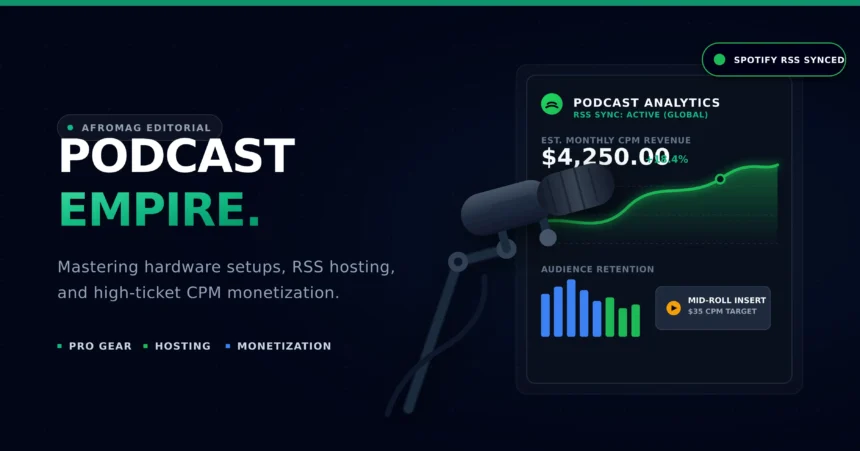
- Monetization Benchmark: Mid-roll Host-Read ads yield the highest CPMs ($25–$40+ per 1,000 listens).
Right now, Spotify is actively fighting Apple for total dominance in the audio space. Both companies are pouring millions of dollars into creator tools and exclusive shows. They both want to be the default home for spoken-word audio.
This turf war makes it the absolute best place for new creators to plant their flag. The big platforms desperately need fresh content to keep users engaged. If you want to know exactly how to start a podcast on spotify, you need a solid business plan.
You cannot just hit record on your laptop and hope for the best. You need to approach this like a real media company. Here is how the pros build a profitable show from the ground up.
The Hardware Investment (Microphones & Audio Interfaces)
Bad audio quality will kill your show in the first 30 seconds. Listeners will instantly click away if your voice sounds like it is bouncing around a tin can. You only get one chance to make a strong first impression.
Many beginners make the mistake of buying cheap USB microphones. While these are fine for standard video calls, they fall short for broadcasting. They pick up far too much background noise and room echo.
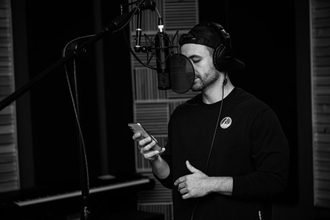
You need to step up to a professional dynamic microphone. The undisputed industry standard is the Shure SM7B. It forces you to speak closely into the mic, which naturally rejects unwanted room sounds.
| Equipment Tier | Recommended Hardware | Best For | Est. Price (USD) |
|---|---|---|---|
| Entry Level | Audio-Technica ATR2100x-USB | Solo Podcasters / Travel | $79.00 |
| Mid-Range Pro | Rode PodMic + Focusrite Solo | Home Studio / Crisp Vocal | $220.00 |
| Industry Standard | Shure SM7B + Cloudlifter + Motu M2 | Commercial Broadcasting | $550.00+ |
A dynamic mic gives your voice that deep, rich tone you hear on major radio broadcasts. However, you cannot plug a professional mic straight into a normal computer. You need a dedicated piece of equipment to handle the signal.
You must connect your dynamic mic to a dedicated audio interface. This hardware acts as a bridge between your microphone and your computer. It converts your analog voice into a high-quality digital signal.
Here is a quick checklist for your starter hardware setup:
- Microphone: Buy a dynamic mic to block out standard room noise.
- Audio Interface: Get a simple two-channel interface to process your sound clearly.
- Headphones: Use closed-back headphones so the audio does not bleed back into your mic.
- Boom Arm: Mount your mic on a desk arm to keep it firmly positioned near your mouth.
Using an interface produces the clean, radio-ready sound that advertisers demand. Brands will not pay top dollar for a show that sounds amateur. Good gear always pays for itself over time.
Hosting and Distribution (Spotify for Podcasters)
A lot of people misunderstand the backend mechanics of digital audio. You do not actually upload audio files directly to the standard Spotify app on your phone. The system is a bit more centralized than that.
Instead, you need a main hub where your audio files securely live. Think of this hub as the digital warehouse for your media. This is where a tool called Spotify for Podcasters comes into play.
This platform acts as a free backend engine that stores your show files. When you publish a new episode, the platform generates an RSS feed. This feed is basically a live line of code that updates automatically.
The RSS feed sends your new episodes out to Apple, Amazon, and everywhere else people listen. You upload the audio file once, and it goes everywhere instantly. It saves you hours of manual distribution work.
However, free platforms are not the only option on the market. Many professional media networks prefer to use paid B2B podcast hosting software instead. Platforms like Buzzsprout or Libsyn charge a small monthly fee for their services.
These paid options offer highly detailed analytics and custom web players for your own website. They let you see exactly when listeners drop off during an episode. Knowing your listener retention numbers is the best way to grow your audience.
The Danger of Copyright (Commercial Music Licensing)
There is a massive legal trap that catches many new creators entirely off guard. You absolutely cannot just play Drake, Taylor Swift, or any mainstream pop song as your intro music.
Using copyrighted music without permission will get your show immediately banned. Both Spotify and Apple use automated software systems to scan audio files for stolen music. They will pull your episodes straight off the platform without warning.
Playing familiar songs on your show requires strict commercial music licensing. This legal process easily costs thousands of dollars per song. It also involves piles of complicated legal paperwork that takes months to clear.
Legal Warning: The Fair Use Myth
There is no legal rule allowing “5 seconds of free copyrighted music use.” Copyright bots flag matches regardless of clip duration. Always license your theme tracks through commercial platforms like Epidemic Sound, Artlist, or secure a direct master use clearance contract.
Even playing five seconds of a famous track is enough to trigger a copyright strike. Do not risk your entire media business over a cool intro song. The platform penalties are harsh and often permanent.
Save yourself the headache and use royalty-free music libraries. Sites like Epidemic Sound or Artlist offer thousands of great tracks for a low monthly fee. You get full legal protection to use them on your show forever.
Even better, you can hire a freelance producer to create a completely original intro theme. Having custom music gives your show a unique audio brand that no one else can copy.
Monetization and CPMs
Once your audience grows, you can start making real money. Independent audio creators can generate serious ad revenue if they build a dedicated following. You just have to understand how the ad math works.
Shows generate ad revenue based on a metric called CPM. This stands for Cost Per Mille, which simply means the cost per thousand listens. Advertisers pay a set dollar rate for every thousand people who hear their pitch.
If your show gets 10,000 downloads an episode, and your CPM is $25, you make $250 per ad spot. Most standard shows place three to four ad spots in a single episode.
Here is how the standard ad formats break down in the industry:
- Pre-roll ads: These play right at the beginning of the episode before the main content starts.
- Mid-roll ads: These drop in the middle of the show and always pay the highest CPM rates.
- Post-roll ads: These play at the very end when most people have already stopped listening.
There are two main ways to actually sell these lucrative ad spots. The first method is programmatic advertising.
Programmatic ads are automated spots inserted directly by platforms like Spotify. The system picks ads based on the individual listener’s location and shopping habits. They are very easy to set up, but they generally pay much less per listener.
The big money in this industry comes from host-read sponsorships. This is when brands pay you directly to read their ad copy in your own authentic voice.
Host-read ads convert into sales much better than automated radio commercials. Listeners trust the host, so they implicitly trust the product being recommended. This deep trust allows creators to charge much higher CPM rates to brands.
Interactive Podcast Revenue Calculator
Estimate your potential monthly ad earnings based on industry-standard CPM rates.
💡 Pro Monetization Tip: This calculates mid-roll ads only. By stacking a pre-roll ($15 CPM) and a post-roll ($10 CPM), you can effectively double your earnings per episode.
Conclusion
Treating your podcast like a legitimate media business from day one is how you succeed. You cannot treat it like a casual weekend hobby if you want to make real ad money.
You need to invest in the right recording gear and follow the proper legal steps for your music. Consistency is the final, essential ingredient. You have to show up every single week for your audience to build a real habit.
Stop waiting for the perfect moment to begin recording your first episode. The digital market is wide open for fresh voices with unique perspectives. Secure your show name and claim your RSS feed today.
Editorial Disclosure: AfroMag provides independent industry research, legal summaries, and audio strategy guides. Content published on this domain is for informational purposes and does not constitute formal legal counsel. Recommended hardware and SaaS software solutions are evaluated based on commercial utility and performance standards.