






The silent stare that many Gen Z employees use is becoming a common sight in shops, offices and on social media. This simple look is more than a mood; it is a way to stop conflict without saying a word. The phrase “Gen Z stare” now shows up in searches, videos and news feeds, making it a hot topic for readers who want to understand the trend.
Key Takeaways
- The stare is a deliberate tool to stop aggression without speaking.
- It helps younger workers protect their mental health in stressful jobs.
- Older generations see it as rude, while younger people view it as self‑defence.
What the stare looks like
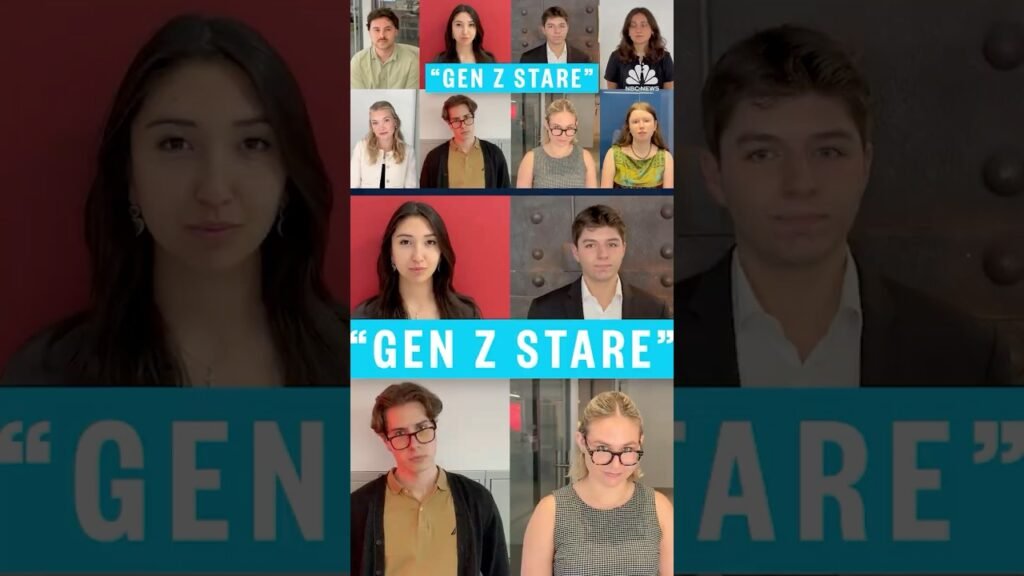
When a customer or manager raises their voice, the younger person stops smiling, locks eyes on the speaker and stays still. No words are spoken, and the expression stays flat. The effect is a pause that leaves the other person without a reaction to feed on.
Why it works
First, it refuses the demand to fake cheerfulness. Second, silence removes the fuel that keeps an argument alive. Third, the steady gaze draws a clear line that says “do not cross my personal space”. These actions let the younger worker keep control of the moment without escalating tension.
Critics and defenders
Older workers often call the stare rude or disrespectful. They say it breaks the rule that “the customer is always right”. Younger people argue that old rules force them to hide real feelings, which can lead to burnout. They see the stare as a safe way to protect themselves when the workplace feels unsafe.
Impact on customer service
In retail and hospitality, the stare changes the usual power balance. When a shopper expects a smile and gets a blank look, they may feel unsettled and back off. This quick shift can end a heated exchange before it grows. It also gives employees a way to avoid saying something that could be used against them later.
Related stories
Gen Z workers are not the only ones making headlines. For example, the Michigan Wolverines vs Indiana game showed how young athletes adapt under pressure, while the Zlatan Ibile wedding highlighted cultural shifts in celebration styles. Both stories reflect how younger generations reshape norms in different fields.
Looking ahead
The silent stare may keep spreading as more workers seek ways to guard their mental health. Companies might need to rethink policies that demand constant friendliness. Understanding why the stare is used can help managers create safer, more respectful workplaces for all ages.