



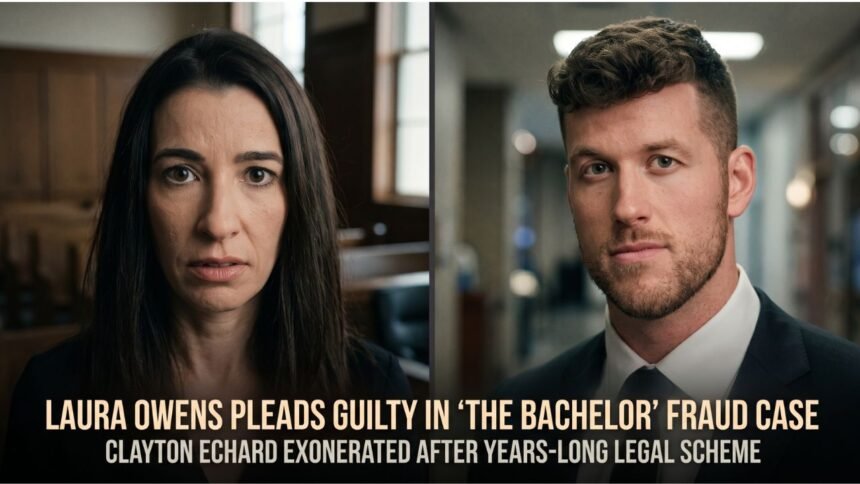

Laura Owens, a 36‑year‑old woman from Scottsdale, Arizona, was sentenced on October 23, 2026 for a fraud case involving former The Bachelor star Clayton Echard. The sentencing drew attention from fans and legal observers alike, making it a hot topic online. Owens had previously claimed she was pregnant with twins fathered by Echard, a claim that was later proven false. The case highlights how false pregnancy claims can lead to serious legal trouble. This article covers the background, the courtroom decision, and the public reaction.
Key Takeaways
- Laura Owens was sentenced to one month in jail and seven years of supervised probation
- The court heard a strong victim impact statement from Clayton Echard urging incarceration
- The case has sparked public debate about fraud and legal consequences
Background of the Fraud Claim
In early 2024, Owens went public with a story that she was carrying twins conceived with Clayton Echard. She posted photos and messages on social media, claiming the pregnancy was real. The claim quickly spread, drawing sympathy and media coverage. However, investigations revealed inconsistencies, and Echard denied the allegations, stating he never had a relationship with Owens. The false claim led to a defamation lawsuit that ended with Owens pleading guilty to four felony counts in August.
Plea and Legal Process
Owens entered a guilty plea to four felony charges, including fraud and filing a false police report. The plea agreement required her to admit that the pregnancy claim was fabricated. During the hearing, the prosecution presented evidence that Owens had used doctored images and false statements to support her story. The court noted that her actions caused emotional distress to Echard and his family. For more details on the original claim, see the article on Laura Owens pregnancy claim.
Sentencing Details
The sentencing took place in Maricopa County Superior Court, with Judge Jeffrey Rueter presiding. Owens received a sentence of one month in jail followed by seven years of supervised probation. The judge emphasized the need for a punitive response to deter similar fraud in the future. Echard delivered a victim‑impact statement, urging the court to impose a strict sentence to protect the public from further deception.
“I believe incarceration is an absolute must, because I know, as well as the other victims know, that Laura will not stop until she is removed from her environment,”
“And her environment is the comfort of her parents’ guest house. Her being labeled a felon is not enough.”
Public Reaction and Social Media
The sentencing sparked a wave of comments on social media platforms. Many users praised the court’s decision, calling it a necessary step to stop fraudsters. Others expressed concern about the length of probation, arguing it might be too lenient given the emotional harm caused. The case also revived discussions about how quickly false claims can spread online and the responsibility of platforms to verify such stories.
Legal Implications
Legal experts note that this case sets a precedent for handling false pregnancy claims, especially when they involve public figures. The combination of jail time and extended probation sends a clear message that deceit for personal gain will be met with serious consequences. The case also underscores the importance of thorough investigations before media outlets amplify unverified claims.
Related Coverage
While the focus remains on Owens and Echard, other stories in the media continue to draw attention. For example, the entertainment world sees new podcasts emerging, such as the one discussed in Tony Dokoupil podcast, showing how diverse topics dominate public interest. These pieces illustrate the varied landscape of current news.
Conclusion
Laura Owens’ sentencing marks the end of a high‑profile fraud case that captured national headlines. The one‑month jail term and seven‑year probation reflect the court’s stance on protecting individuals from deceptive claims. As the story settles, it serves as a reminder that truth matters, and false statements can lead to real legal repercussions.