




The biggest mistake successful producers make has nothing to do with audio gear. It is not buying the wrong mixing console or spending too much cash on vintage microphones. The real mistake is signing a bad building lease.
You finally outgrow your bedroom studio. You have major label credits, paying clients, and a growing team. It is time to move into a professional building and expand your brand.
But moving into a physical commercial space is a legal and financial battlefield. It is no longer just a creative upgrade. You are stepping into a world of strict contracts, city rules, and wealthy property owners.
Many artists rush this process. They see a cool brick wall and high ceilings, and they sign on the dotted line. Then, the financial nightmare begins.
We are going to look at the harsh realities of opening a physical recording space. You need to know how to protect your money before you start buying expensive gear. You also need to understand why property rules matter just as much as good acoustics.
At home, you simply plug in your computer and start working. Nobody asks to see your business permit. Nobody cares if you run heavy cables across the hallway.
A public recording facility is completely different. The local government gets involved in your daily operations. Building inspectors will want to check your electrical wiring and emergency exits.
If you do not plan for these business realities, you will lose your entire investment. Let us explore exactly how to do this the right way.
The Zoning Trap
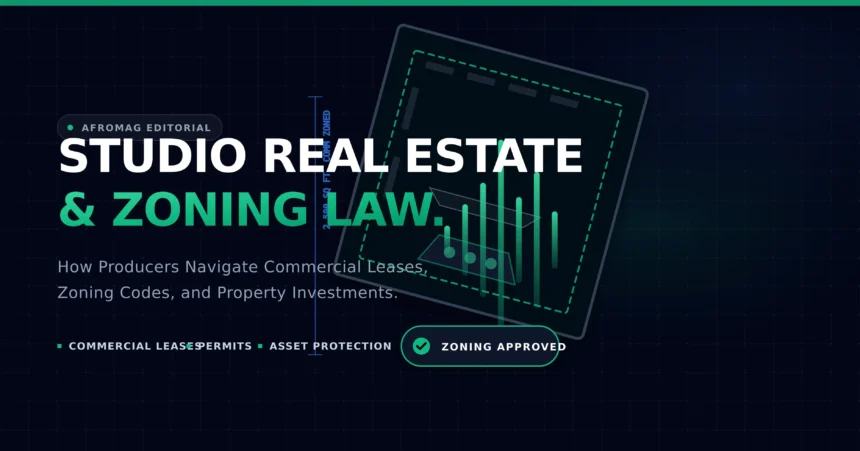
You cannot just rent an empty warehouse or an old retail shop and start blasting heavy bass at 2 AM. The city actually dictates exactly what you can and cannot do in a building. This system of rules is called zoning.
City planners divide every neighborhood into specific zones. Some zones are just for houses, while others are for heavy factories. They tell you exactly what type of business can operate on a specific street.
🏢 The Commercial Studio Approval Path
Imagine finding a beautiful, empty shop downtown. It looks perfect for a massive tracking room and a vocal booth. But if the city zoned that exact street strictly for quiet retail stores, you are completely out of luck.
If you try to build a studio in the wrong zone, the city will stop you. They will deny your business permits. You will be stuck paying rent for a building you cannot legally use.
Neighbors and Noise Ordinances
Even if you find a building in the correct business zone, you still have to worry about your neighbors. A recording studio generates a massive amount of low-end frequencies. These sound waves travel straight through cheap walls.
A quiet graphic design agency next door will not tolerate your heavy drum kits. A hair salon will complain if their mirrors shake every time you play a synth bass. When neighbors complain, the police will show up at your door.
This is why dealing with commercial real estate requires heavy planning. You must research the local noise ordinances before you sign anything. These laws clearly state exactly how loud you are legally allowed to be at different times of the day.
Proper soundproofing is incredibly expensive. You often have to build a totally separate room inside the main room to stop sound from escaping. If you cannot afford to build these floating floors and thick walls, you should not rent the space.
Fines and Forced Shutdowns
Ignoring noise laws and property regulations always ends badly. The city does not care about your recording schedule or your famous clients. If you break the rules, they will issue massive financial fines.
If you keep breaking the rules, the city will force you to shut down entirely. They will padlock your doors and pull your business permit. All the money you spent painting and wiring the studio will be gone in an instant.
You cannot hide a busy recording facility for long. Artists will park their expensive cars outside your building at all hours of the night. This draws immediate attention from city inspectors and local police.
Do your homework before you ever pick up a pen to sign a lease. Call the city planning office and ask about the specific address. Make sure a loud music business is legally allowed to exist there.
The Commercial Studio Tour Checklist
Bring this list when viewing a warehouse or retail space. Do not sign a lease if the landlord says “no” to these critical questions.
Why You Must Hire the Experts
Signing a five-year building lease by yourself is financial suicide. A five-year contract at $4,000 a month equals almost a quarter of a million dollars in total debt. You would never sign a massive record deal without professional help.
Do not try to read a fifty-page commercial property contract on your own. Landlords use confusing legal terms to shift heavy costs onto the renter. You need an expert on your side to translate the paperwork.
| Lease Structure | Who Pays Maintenance? | Who Pays Property Taxes? | Best For Studio Owners? |
|---|---|---|---|
| Full Service Gross | Landlord | Landlord | ✅ Best (Predictable Costs) |
| Modified Gross | Shared (Negotiated) | Landlord | ⚠️ Good (Negotiable) |
| Single Net (N) | Landlord | Tenant | ❌ Risky |
| Triple Net (NNN) | Tenant (You pay roof/HVAC) | Tenant | ❌ Worst (High Hidden Costs) |
This is exactly why you must hire a real estate lawyer. Their entire job is to read the boring paperwork so you do not lose your money. They know exactly what is normal and what is a complete scam.
Finding Hidden Traps in the Paperwork
A good attorney will spot dangerous hidden clauses in the lease. For example, many property contracts force the renter to pay for all building repairs. If the air conditioning unit on the roof dies, the landlord might force you to buy a new one.
A sudden $15,000 repair bill for a broken heater will completely destroy your gear budget. Your lawyer will fight to make sure the landlord pays for those major building repairs. They protect you from surprise maintenance bills that you never saw coming.
3 Commercial Lease Red Flags
- The “HVAC Replacement” Clause: Never sign a lease that forces you to buy a new air conditioning unit if the 20-year-old system breaks on your watch.
- The “Restoration to Original Condition” Clause: Landlords often try to force you to pay thousands to demolish your expensive soundproofing when you move out.
- The “Relocation” Clause: Beware of clauses that give the landlord the right to move your business to a different suite in the building at their convenience.
Your lawyer will also check what happens to your soundproofing when you eventually leave. In many leases, anything attached to the walls automatically belongs to the landlord. You do not want to spend $50,000 on acoustic treatments just to leave them behind for free.
An expert will negotiate these terms before you sign. They might get the landlord to give you a few months of free rent while you build your rooms. They ensure the contract is actually fair for a music business.
Securing Your Legal Foundation
Navigating real estate law is just as important as clearing a music sample for a hit song. If you do not clear a sample, the original artist will sue you and take all your royalties. If your legal property foundation is weak, your entire studio business can collapse.
A bad landlord can find tiny loopholes to evict you if the neighborhood gets popular. They might kick you out just so they can rent your beautiful studio to someone else for double the price. A strong legal contract prevents them from stealing your hard work.
Pay the professional legal fees upfront. It might cost you a few thousand dollars to hire a great attorney. That small cost will save you tens of thousands of dollars over the next five years.
The Ultimate Flex: Buying the Building
Eventually, wealthy artists and successful producers stop renting entirely. They realize that paying a landlord every month is just throwing money away. They decide to step up and start buying their own studio buildings.
When you own the bricks, you have complete control over your future. No landlord can ever tell you to turn the music down. No property manager can ever kick you out of the space.
You can modify the building exactly how you want. You can knock down walls, pour concrete floors, and run custom wiring everywhere. Every dollar you spend on the building actually increases your own net worth.
Becoming the Landlord
There is a growing trend among smart music executives today. Many successful producers are actually going back to school to get a real estate license. This credential gives them special access to the property market.
Having this license allows them to buy commercial buildings directly. They can skip the expensive brokers and save thousands of dollars on agent fees. It turns them into true insiders in the property game.
They use this knowledge to spot cheap buildings in upcoming neighborhoods. They buy a dirty warehouse and completely transform it. This strategy turns their music money into permanent, generational wealth.
Building a Passive Income Empire
Once they own a large building, they do not just build one room for themselves. They build out multiple studio rooms down a long hallway. They create a massive, multi-room creative complex.
The producer keeps the best studio room for their own personal projects. Then, they rent out the other three rooms to different independent artists and engineers. These monthly renters become a massive passive income stream.
The rent money from the other artists easily covers the monthly mortgage payment. It also pays for the electricity, the internet, and the property taxes. The producer gets to operate their own studio completely for free.
This is the ultimate goal for any serious music professional. You transition from just making beats to actually owning the physical infrastructure of the industry. You stop paying rent and start collecting it instead.
Conclusion
Building a great recording studio is equal parts acoustic treatment and airtight legal paperwork. You cannot have one without the other. A beautiful sounding room means nothing if the city forces you to shut it down.
Protect your money and your creative vision at all costs. Do your research on local zoning rules before you look at properties. Always hire the right legal professionals to read your contracts.
If you handle the business side correctly, your physical studio will become your greatest asset. Take your time, sign a smart lease, and go build your empire.
Once your physical building is secure and your acoustic rooms are finished, your next step is monetizing the music you make inside it. Read our complete guide on organizing your catalog for Hollywood TV sync placements.